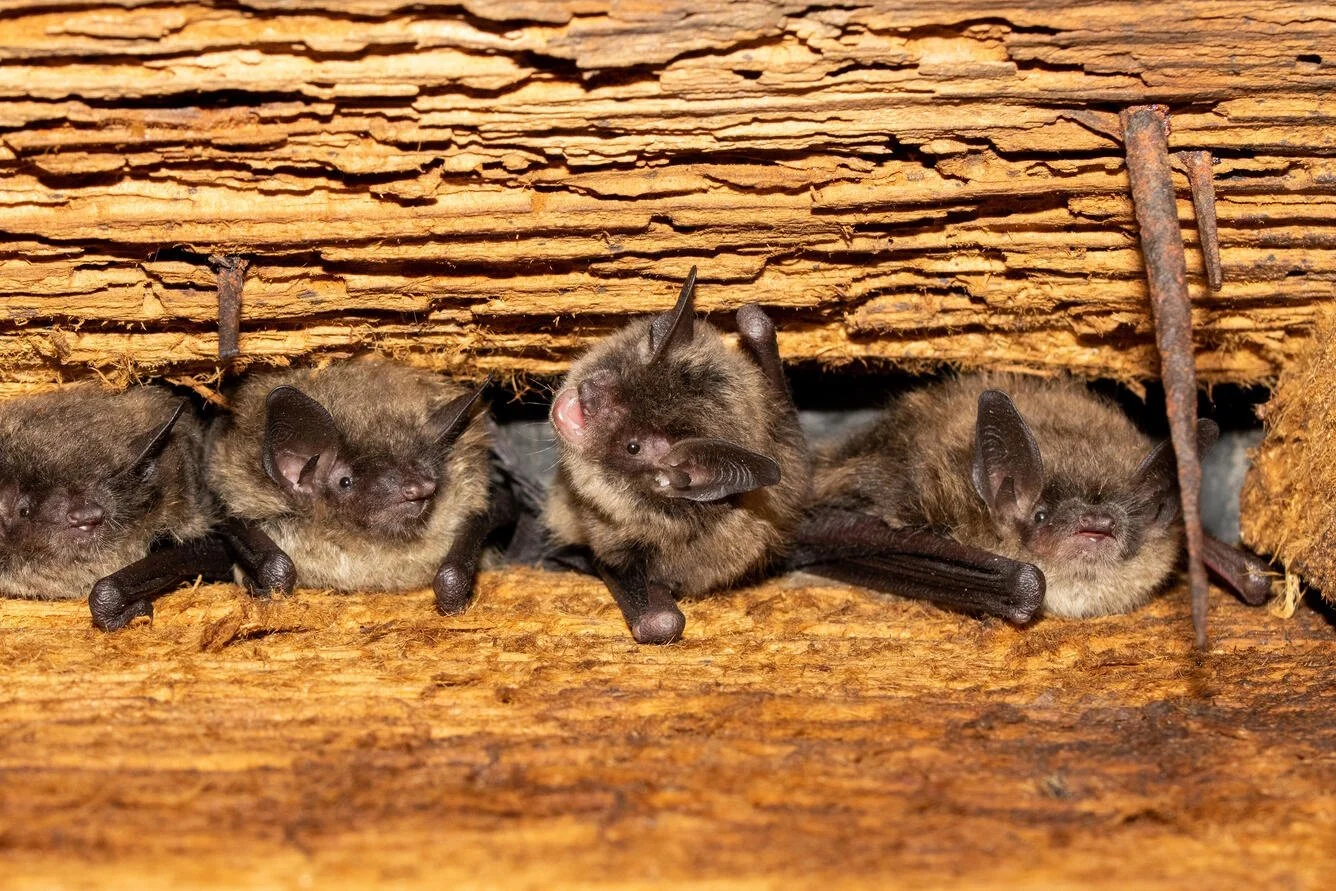
Little brown bats—Photo:Troy Gipps, Massachusetts Division of Fisheries and Wildlife
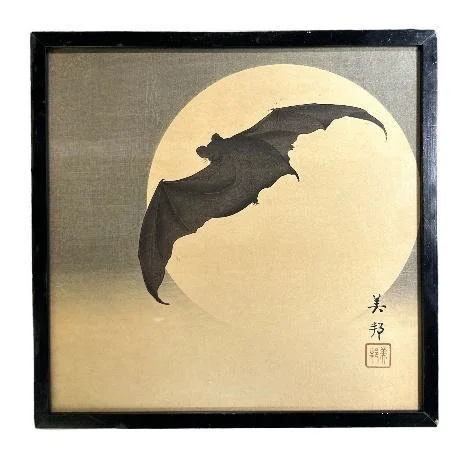
Going Beyond Birds: A Guide to Olympic Peninsula Bats
Celebrating Bat Week: October 24-31, 2026
When night falls on the Olympic Peninsula, you don't have to put your binoculars away. Ten native bat species quietly take over the air, hunting across the exact same habitats used by our iconic local birds.
Where to Watch Dusk Emergences
Dungeness National Wildlife Refuge: In Sequim, you'll want to head down toward the base of the Dungeness spit or find a spot near the salt marshes right at twilight. Just as the shorebirds start settling down for the night, Yuma myotis and California myotis bats come out to forage over the calm water.
Elwha River Bridges (Port Angeles): The wide, open corridors left behind by the restored river act as prime hunting highways. Keep an eye out for silver-haired bats skimming low over the water channels just after sunset.
Railroad Bridge Park (Sequim): The thick canopy over the Dungeness River offers perfect cover. If you stand near the bridge decking, you can usually catch bats darting between the cottonwoods to snatch river midges out of the air.
Bat Box vs. Bird House: Spotting the Design Differences
While both setups offer critical artificial cavities, a proper bat box functions completely differently than a standard birdhouse:
Ditching the entry hole: Birds love a round front door. Bats don't. They need a tight, narrow entry slot at the very bottom (usually 3/4 to 1 inch wide). This design feature keeps predators like raccoons and owls from reaching up inside.
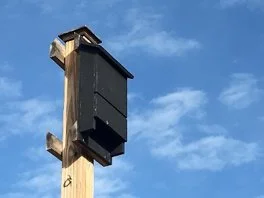
Bat house
Roughing up the interior: Bird houses are smooth inside, but bats must hang upside down. Their boxes require rough, horizontal grooves or heavy plastic mesh so they have something secure to cling to.
Mimicking tree bark: Instead of a single open room like a bird box, a bat box uses narrow, parallel internal baffles spaced incredibly close together. This creates tight crevices that feel just like the spaces beneath loose tree bark.
Tailoring a Bat Box for the Pacific Northwest Climate
The cool Olympic Peninsula climate varies from damp to dry. Standard backyard bat box plans won't work here. To maintain the high internal temperatures (90°F to 100°F) that nursing colonies need, make these local tweaks:
Go dark with the paint: Coat the exterior in a dark charcoal or black water-based paint. It's the best way to trap maximum solar heat.
Skip the vents entirely: Most commercial blueprints tell you to cut ventilation slots near the bottom. On the chilly Olympic Peninsula, those vents just let in cold drafts that ruin the internal temperature. Leave them out.
Find the sun: Mount the box on a building or pole at least 15 feet off the ground where it can catch 6 to 8 hours of direct, daily sunlight (facing South or Southeast). Stay away from trees entirely. The branches block sunlight and give climbing predators an easy way to reach the box.
Happy Halloween!
Melonie Ramsey
OPAS Co-Vice President
National Wildlife Federation Habitat Steward