|
$$PLAIN_TEXT_PREVIEW$$
|
Our Mission The Olympic Peninsula Audubon Society promotes birding and habitat conservation through science-based education, advocacy, and stewardship. __________________
|
May Harlequin Happenings Newsletter
|
|
May President’s Notes Water, Water Everywhere
by Matt McCoy |
|
|
|
A Pacific Northwesterner might be forgiven for thinking southwest Idaho is a desert. Burnt brown stretching as far as the eye can see and nary a tree to be found. And going by the “less than 10 inches of annual precipitation” definition of a desert, parts of the state are. Boise (its name derived from French explorers’ excitement at seeing les bois—the trees—along the Boise River after a brutal crossing of the Snake River Plain) is on the precipice of that realm, but at 11.6 inches of average annual rainfall, the city is not there yet. Water, regardless of where you are, is a big draw for wildlife and a must in the backyard. With the encouragement of friends willing to help dig a three‑foot‑deep hole and move a few tons of rocks, I went with the “go big or go home” philosophy of providing water for wildlife. A 1,000‑gallon‑plus main pond with three waterfalls, a smaller bog for filtering water (because of course there had to be koi), and a connecting stream were in order. Continue reading about Matt’s experience with creating a pond for wildlife
____________
|
|
Climate Watch Volunteer OpportunityAmerican Goldfinch—Photo: Jim Gift |
|

|
|
|
|
Climate Watch Survey Begins May 15 - June 15, 2026 Join the OPAS Climate Watch Program and help track how climate change is affecting the birds around you. If you can identify any of these birds—Western Bluebird, Red‑breasted Nuthatch, Spotted Towhee, American Goldfinch, or Lesser Goldfinch—by sight or sound, or if you’re eager to learn, you can participate. Join OPAS and help us survey how these species are already responding in our region. It’s fun, flexible, and family‑friendly. You can start in your own backyard or choose up to 12 locations to survey. Just be sure the sites you select are places where the target birds are likely to occur. Learn more about the protocol and contact information
____________
|
|
|
|
Click on the image above to visit the North Olympic Wildlife Habitat Project.
____________ |
|
|
|

|
Field Trip Program Updateby Marie Grad |
|
|
|
|
Spring migration is underway. Winter birds are starting to leave for their summer breeding grounds, and our summer birds are starting to return to our yards and natural areas. There is only one field trip scheduled for this month on May 31st to the Dungeness Levee restoration area. Kathy McCoy and Ben Hannah are the leaders for this field trip. In June we’re offering a field trip focused on birding by ear, led by Dave Swinford and Greg Irving. Greg uses high‑quality recording equipment to capture bird vocalizations as a way to sharpen identification skills, and he’ll be recording the species heard during the outing. The recordings will be shared on eBird. Continue reading the field trip update
____________
|
OPAS Backyard Birding: “Bird Migration Stories”Violet-green Swallow—Photo: Bob Boekelheide |
|

|
|
|
“Bird Migration Stories”
Presented by Bob Boekelheide
Saturday, May 2, 2026 10:00 a.m. to 12:00 noon
Rainshadow Hall, Dungeness River Nature Center
Suggested donation: $5 Every bird migration is unique. The ones that amaze us most are the birds that fly thousands of miles every year between nesting, molting, and wintering locations. Several of these species, such as Olive-sided Flycatcher, Swainson’s Thrush, and Violet-green Swallow, return to Railroad Bridge Park and Clallam County every year, some to nest and some just passing through. Using data from local citizen science projects, as well as on-line resources about bird migration, Bob Boekelheide will highlight several local case-studies, giving a close-up look at the birds' annual cycles and migration pathways. Weather permitting, we might even take a walk in Railroad Bridge Park to find newly-arrived neotropical migrants in action. Please join us for this fun new program! Learn more
____________
|
|

|
2026 Clallam County BirdathonWorld Migratory Bird DayMay 9, 2026 |
|
|
|
|
May 9, 2026, is World Migratory Bird Day—a day dedicated to celebrating the remarkable journeys of migratory birds. Each year on the second Saturday in May, OPAS marks the occasion with the Clallam County Birdathon, a county‑wide effort to count birds and raise funds for our conservation and education programs. Birdathon donations support our bird‑friendly community projects, fund the construction and upkeep of nest boxes, bolster local bird‑population monitoring, and sustain our high school scholarship program. How can you help? Go birding. You can count birds anywhere in Clallam County, then return the tally sheet or enter your counts using eBird. Line up sponsors for your count to help support OPAS or sponsor other counters and we'll represent you as we tally the birds. Thank you very much for your help! Click here to learn more DONATE TO BIRDATHON
____________
|
OPAS Program: DarkSky Trivia NightNight sky—Photo: Courtesy of Unsplash |
|

|
|
|
OPAS Program: DarkSky Trivia Night
Presenters: Board Members of DarkSky Olympic Peninsula Chapter
Wednesday, May 20, 2026 at 7:00 p.m.
Rainshadow Hall, Dungeness River Nature Center
Free to attend Join leaders of DarkSky Olympic Peninsula for a night of learning and fun playing DarkSky Trivia! What do you know about the consequences of light pollution? How can you light your property responsibly? How does artificial light at night (ALAN) impact the health and safety of humans and wildlife? We will explore these topics and much more in a lively interactive exchange. Bring a pen—and feel free to bring a friend, too; trivia is always more fun with company. If you have a clipboard, it can make filling out the answer sheets easier. Prizes await the top scorers, along with a few surprise winners. Come early for cookies!
Read on the webpage
____________
|
|
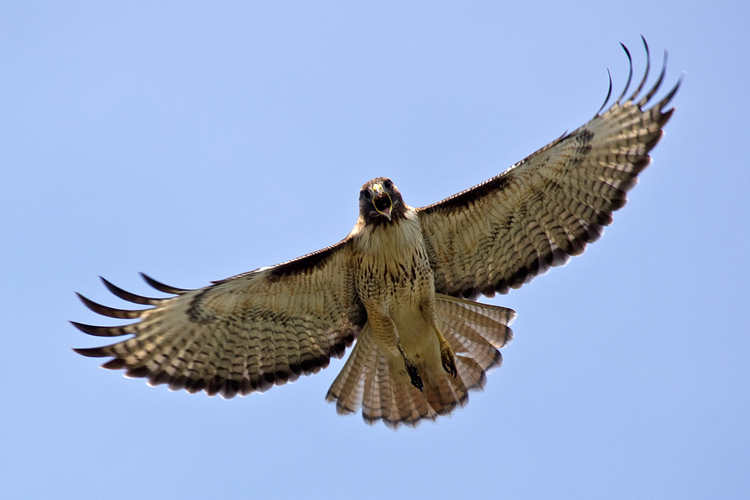
OPAS Field Trip: Dungeness River Levee RoadRed-tailed Hawk—Photo: Dow Lambert |
|
|
|
OPAS Field Trip: Dungeness River Levee Road
Leaders: Kathy McCoy & Ben Hannah
Date and time: Sunday, May 31, 7:30 a.m. – 11:30 a.m.
Number of participants: 15 — Registration required.
Cost: Free The Dungeness River Levee Road offers a rich blend of marsh, riparian, and grassland habitat, making it one of the most rewarding birding areas in the Sequim‑Dungeness region. You will be guided through several eBird hotspots along the dike, where resident regulars such as Great Blue Herons, Northern Harriers, Red‑tailed Hawks, Bald Eagles, and chickadees are commonly seen. We’ll also keep an eye out for rails, Soras, snipes, and wrens. The trail is generally easy, though potentially muddy, so sturdy footwear is recommended. Bring binoculars and weather‑appropriate gear; spotting scopes are welcome, and 1-2 scopes will be available to share, but more are always welcome. Click here to learn where to meet and registration information
____________
|

|
Conservation Matters: “Flaming Red Feet”by Bob Phreaner
Pigeon Guillemots—Photo: Dee Renee Ericks
|
|
|
|
Maria Mudd Ruth was the keynote speaker at the BirdFest banquet on April 18, where she introduced her latest book, The Bird with the Flaming Red Feet. In it, she describes the Pigeon Guillemot (PIGU) as “a charismatic seabird with a surprising story to tell” and notes that although this often‑overlooked alcid doesn’t get as much attention as a puffin, it plays an outsized role in the health of marine ecosystems — earning its status as an indicator species. Her presentation, One Bird, One Beach, One Community, highlighted why this talkative little bird deserves more attention than its name might suggest. Pigeons are pedestrian, and and how do you even say “guillemot” (pronounced GILL‑uh‑mott). Most of us simply call them PIGU. Why not just call the bird “Red Foot”? Continue reading about the Pigeon Guillemots
____________
|
|
Our Own Water Ouzel: The American DipperBy Ida Domazlicky and Jane Nicholas American Dipper—Photo: Dow Lambert |
|

|
|
|
|
On one of my first trips to the American West, I was walking along the banks of the Thompson River near Estes Park, Colorado, when I noticed a large mossy nest tucked under a bridge. The birds were busy bringing food, then flying off downstream again. Suddenly, three fat, fuzzy nestlings tumbled out of the nest and dropped straight into the rushing water below. I panicked. In the Midwest, only swallows nest under bridges—and swallow fledglings drown easily. I was sure I was about to witness an avian domestic tragedy. But to my surprise, these three babies bobbed along in the fast‑moving stream like fat corks. Two floated downriver and out of sight, but one scrambled onto a rock just a few feet from me. Each time a parent bird flew past, it opened its beak wide, clearly screeching “feed me!” Once again, I thought the fledgling was doomed. How could its parents keep up with youngsters scattered so far along the river? But these were American Dippers, the only truly aquatic North American songbird. Continue reading about the American Dipper
____________
|
|

|
It Takes A Team! Purple Martin Nest Boxesby Dee Renee Ericks The team with nest boxes—Photo: Dee Renee Ericks |
|
|
|
|
Last fall, OPAS Purple Martin nest boxes were removed from their summer perches for cleaning, sterilization, and then carefully prepared for winter storage. Brushing off the cobwebs this spring, volunteers have been busy with nest box repairs. Using eBird, Team Leader Dow Lambert has been keeping a keen eye on the northward migration of our northwest Purple Martins from their winter habitat in southeastern Brazil. They are headed our way!
During the low-low tide on April 6th, the Purple Martin Team was able to maneuver needed equipment from the 3 Crabs parking lot across loose sand and logs to the tidal flats and finally to the off‑shore pilings. A beautiful day with rising winds made the air increasingly crisp.
Continue reading about the Purple Martin nest boxes ____________
|
“Beyond the Burrow—Secret Lives of Puffins Across the North Pacific” VideoTufted Puffins—Photo: Dow Lambert
____________ |
|

|
|
|
Imagine crawling through tall grass, reaching into dark burrows in search of a puffin—hoping for soft feathers rather than the snap of a powerful bill. These bright‑beaked “clowns of the sea” may look charming, but they’re also fierce marine predators facing rapid environmental change. In this recorded program from April 15th 2026, Katie Stoner takes us to Alaska’s Kodiak Archipelago, where puffins swirl above dense breeding colonies. She shares how her team tracks their long winter migrations and investigates the conservation challenges shaping their future. Click here to watch the video
____________
|
|

|
"Sounds of Spring" VideoSpotted Towhee—Photo: Dow Lambert |
|
|
|
|
Our April 4, 2026 Backyard Birding program, Sounds of Spring, featured a fresh collection of local audio and video recordings prepared by Dow Lambert, with support from Ken Wiersema. Their presentation highlighted both resident and returning migrant birds as they moved into their breeding season and refreshed everyone’s ear for the songs and calls heard across our yards, forests, fields, and shorelines. Dow and Ken also demonstrated how to use the free Merlin Sound ID app from the Cornell Lab of Ornithology. Enjoy the recorded program and revisit the color, energy, and music that mark the start of spring on the North Olympic Peninsula.
Click here to watch the video
____________
|
|
|
|
Click on the image above to visit the Alight Tours website.
____________ |
|
|
|
|
|
Click on the image above to visit the Gardiner Wild Birds Unlimited website. |
|
|
|
|
|